
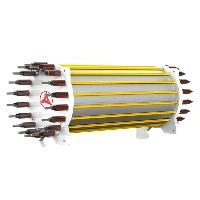
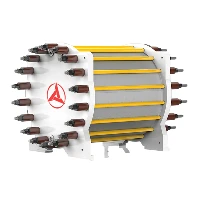
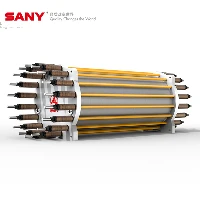
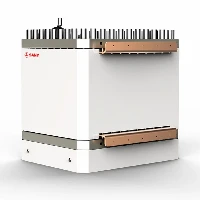
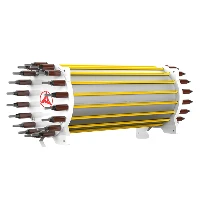
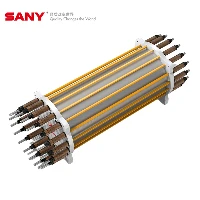
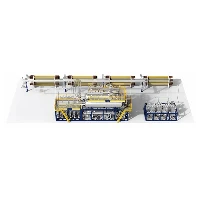
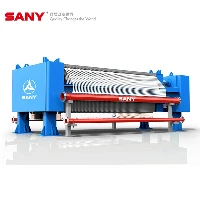
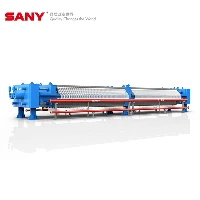
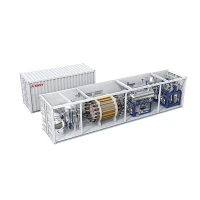


PEM Electrolyzer
Your Leading SANY Hydrogen Energy Co., Ltd. Supplier
Focusing on the R&D, manufacturing and sales of hydrogen producing and refueling equipment and key components for a closed-loop full ecological industrial chain featured by green power, hydrogen energy and end-use equipment, SANY Hydrogen Energy Co., Ltd. is the world's leading provider of package solutions for hydrogen energy equipment, which is committed to providing global customers with GW-level ultra-large-scale package solutions on-grid/off-grid hydrogen production from wind and solar energy.
Why Choose Us?
High quality
Our products are manufactured or executed to very high standards, using the finest materials and manufacturing processes.
Competitive Price
We offering a higher-quality product or service at an equivalent price. As a result we have a growing and loyal customer base.
Global shipping
Our products support global shipping and the logistics system is complete, so our customers are all over the world.
Rich experience
Our company has many years of production work experience. The concept of customer-oriented and win-win cooperation makes the company more mature and stronger.
After-sale service
Professional and thoughtful after -sales team, let you worry about us after -sales Intimate service, strong after -sales team support.
Advanced equipment
A machine, tool or instrument designed with advanced technology and functionality to perform highly specific tasks with greater precision, efficiency and reliability.
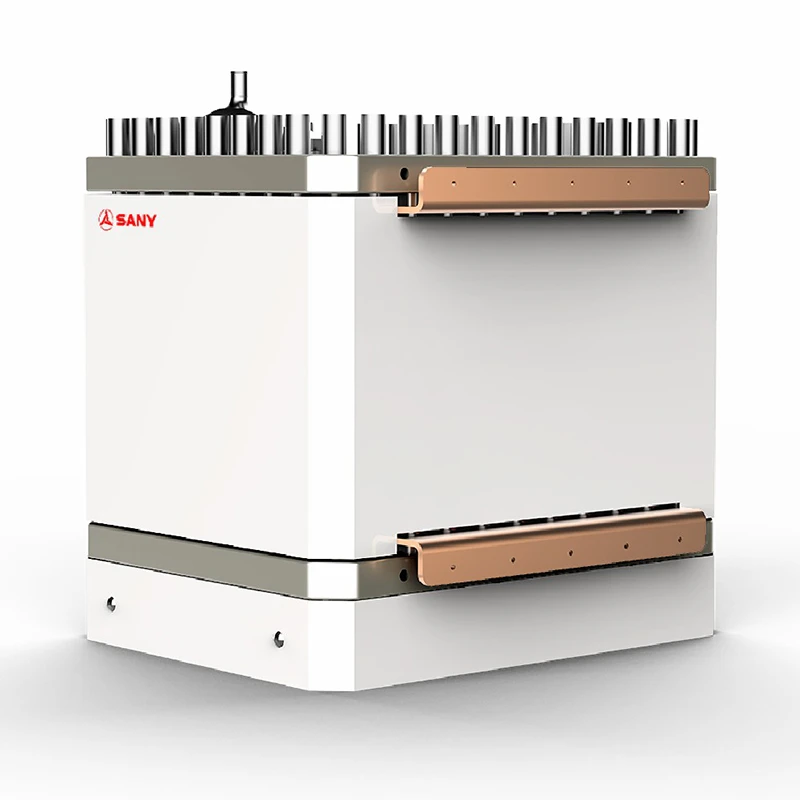

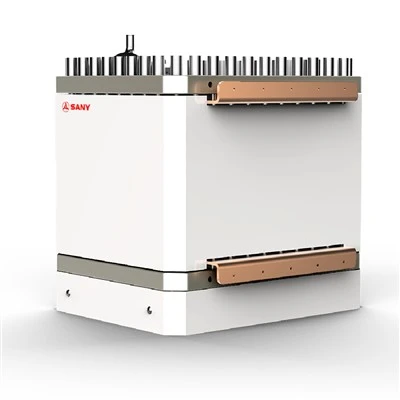
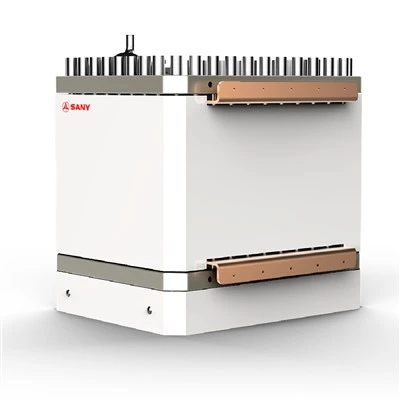
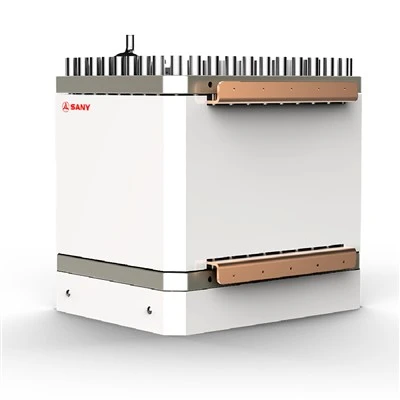
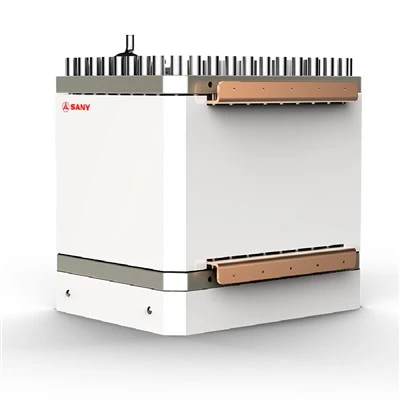
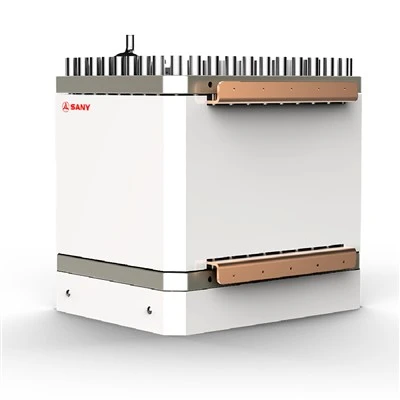
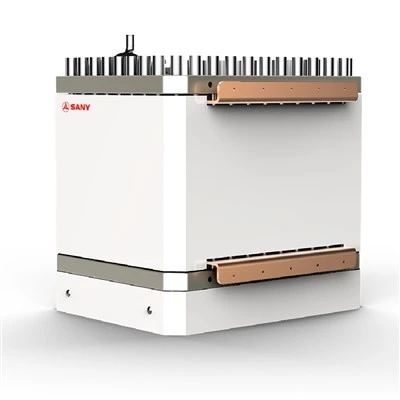
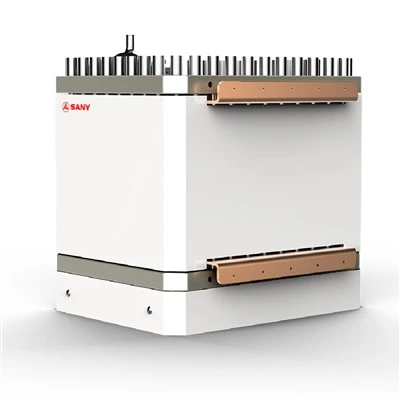
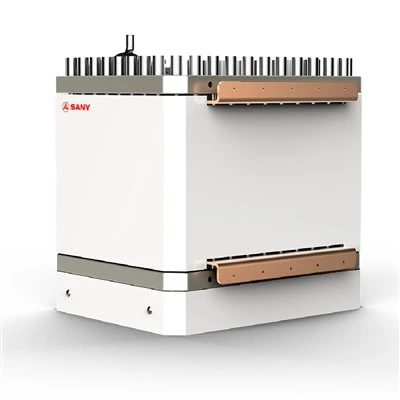
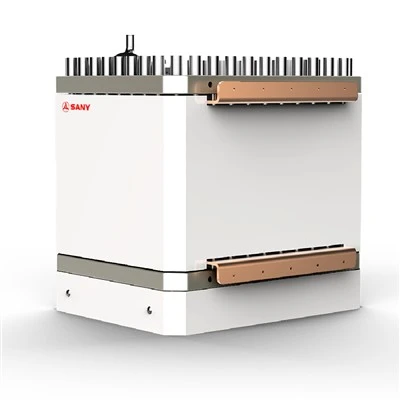
What is PEM Electrolyzer?
Proton exchange membrane (PEM) electrolysis is the electrolysis of water in a cell equipped with a solid polymer electrolyte (SPE) that is responsible for the conduction of protons, separation of product gases, and electrical insulation of the electrodes. The PEM electrolyzer was introduced to overcome the issues of partial load, low current density, and low pressure operation currently plaguing the alkaline electrolyzer. It involves a proton-exchange membrane.
Benefits of PEM Electrolyzer
High efficiency
PEM electrolyzers have a high efficiency rate, typically between 70-80%.
Fast response time
PEM electrolyzers have a fast response time, allowing them to quickly adjust to changes in demand for hydrogen.
Compact size
PEM electrolyzers are relatively small and compact, making them suitable for use in confined spaces or where space is at a premium.
Low operating temperature
PEM electrolyzers operate at relatively low temperatures compared to other electrolysis technologies, typically between 5-80°C, leading to lower operating costs.
Application of PEM Electrolyzer
Energy storage
One of the most promising applications of electrolyzers is energy storage, particularly for renewable energy sources such as solar and wind power. By converting excess electricity into hydrogen, electrolyzers can store energy that can be used later, either directly as fuel or by converting it back into electricity through a fuel cell.
Power-to-gas
Power-to-gas is a technology that uses electrolyzers to convert electrical energy into gaseous energy, typically by producing hydrogen or synthetic natural gas (SNG). This can help balance the electrical grid and provide a means of storing renewable energy for future use.
Industrial applications
PEM electrolyzers can be used for various industrial applications, including the production of chemicals, metals, and electronics. Hydrogen produced by electrolyzers can be used as a reducing agent, feedstock for chemical synthesis, or as an energy carrier in various industrial processes.
Transportation
Hydrogen produced by electrolyzers can be used as a clean fuel for transportation. Hydrogen fuel cell vehicles emit only water vapor as a byproduct and can offer similar driving ranges and refueling times compared to gasoline-powered vehicles.
Residential and commercial energy
Hydrogen produced by electrolyzers can be used for residential and commercial energy needs, either directly as fuel for heating and cooking or by converting it back into electricity through a fuel cell.
Small-scale, rapid hydrogen production
PEM electrolyzers are ideal for small-scale hydrogen production applications requiring fast response times, such as hydrogen car kit for improving trucks economy. Their high efficiency, compact size, and rapid response to changing demand make them well-suited for these scenarios.
Integration with renewable energy sources
PEM electrolyzers are well-suited for integration with renewable energy sources, such as solar and wind power, due to their fast response times and ability to efficiently utilize intermittent power. This can help balance the electrical grid and provide a means of storing renewable energy for future use.
Industrial applications requiring high-purity hydrogen
PEM electrolyzers produce hydrogen with a higher purity compared to alkaline electrolyzers. For industrial applications that require high-purity hydrogen, such as semiconductor manufacturing or pharmaceutical production, PEM electrolyzers would be a more suitable choice.
Components of PEM Electrolyzer
Electrolyte membrane: This is a thin, proton-conducting membrane that separates the anode and cathode compartments in the electrolyzer. It only allows positively charged hydrogen ions (protons) to pass through while blocking the negatively charged electrons.
Bipolar plates: These are thin, flat plates that serve as the electrodes in the electrolyzer and also help distribute the hydrogen and oxygen gases evenly. Bipolar plates are typically made of a conductive material, such as graphite or stainless steel.
Anode: This is the electrode at which water is oxidized to produce oxygen gas and positively charged hydrogen ions (protons). The anode is usually made of a corrosion-resistant metal, such as titanium or platinum.
Cathode: This is the electrode at which the positively charged hydrogen ions (protons) and negatively charged electrons combine to produce hydrogen gas. The cathode is also usually made of a corrosion-resistant metal, such as platinum.
Gas diffusion layers (GDLs): These are porous, electrically conductive materials that are placed between the bipolar plates and the anode and cathode electrodes to help distribute the reactant gases evenly and remove the product gases from the reaction sites.
End plates and seals: These components are used to provide a hermetic seal for the electrolyzer, preventing leaks of the reactant and product gases.

Platinum itself is used in PEM electrolyser cells as the preferred cathode material. The thin catalytic layers can be comprised either of pure or carbon-supported platinum.
Process of PEM Electrolyzer
Membrane preparation
The proton exchange membrane is prepared by casting a solution of the polymer and a solvent onto a substrate, such as a Teflon sheet. The membrane is then dried and cut to the desired size.
Cell assembly
The anode, cathode, and membrane are assembled to form the electrolyzer cell. The anode and cathode are typically made of a conductive material, such as platinum or carbon, and are coated with a catalyst to improve the efficiency of the electrolysis reaction.
Stack assembly
Multiple cells are stacked together to form the electrolyzer stack. The cells are separated by flow fields, which distribute the electrolyte solution and the reactant gases to the anode and cathode compartments of the cells.
Gasket and sealing
The stack and end plates are sealed with gaskets, such as O-rings, to prevent leaks of the reactant gases and electrolyte solutions.
System integration
The electrolyzer stack and other components, such as compressors, heat exchangers, and controls, are integrated into a complete system.
Testing and calibration
The electrolyzer system is tested and calibrated to ensure that it meets the desired performance specifications.
How to Maintain PEM Electrolyzer
Regularly inspect:The electrolyzer components for signs of wear or damage and address any issues promptly to maintain optimal performance.
Optimizing efficiency:To optimize the efficiency of your PEM electrolyzer, ensure that the membrane, electrodes, and bipolar plates are clean and free of contaminants. Regularly check the power supply and control systems to ensure they are functioning correctly and providing the appropriate current and voltage to the electrolyzer cell.
Maintaining safety :Ensure that your PEM electrolyzer is properly ventilated to prevent the buildup of hydrogen and oxygen gases, which can pose an explosion risk. Regularly inspect all connections for leaks and address any issues immediately. Follow all safety guidelines and recommendations provided by the manufacturer or other experts in the field.
The mechanism of operation of a PEM electrolyzer is based on the principles of electrolysis, where an electric current is passed through an electrolyte to produce chemical reactions at the electrodes. In a PEM electrolyzer, water is supplied to the electrolyzer and is split into its constituent elements, hydrogen and oxygen, at the electrodes. At the anode, oxygen is produced by the oxidation of water, and at the cathode, hydrogen is produced by the reduction of protons from the proton exchange membrane.

Currently, electrolyzers are undergoing great change as they penetrate the market. PEM electrolyzers of the sort Plug uses, for example, are undergoing technological innovation to operate at increasingly higher and more efficient temperature ranges of between 120°C and 200°C.
The U.S. Department of Energy explains that high temperature electrolysis – often just called HTE by industry insiders – “results in very high electrical efficiencies and, hence, potential for low-cost hydrogen production when the steam is produced by either waste heat or a low-cost thermal energy generator.”
Another area of advancement within electrolyzer technology exists in the realm of generating green hydrogen through solar-powered electrolyzers.
In short, this involves utilizing solar technology to generate electricity, which then thereafter powers the electrolyzers producing green hydrogen.
The potential of PEM electrolysis is not limited to renewable energy storage and hydrogen fuel cells. PEM electrolysis can also be used to produce hydrogen for other applications, such as industrial processes and power generation. In addition, PEM electrolysis can be used to produce high-purity oxygen gas, which is used in a variety of medical and industrial applications.
What Is the Difference Between PEM and Solid Oxide Electrolyzers?
Solid oxide electrolyzers must operate at temperatures high enough for the solid oxide membranes to function properly (about 700°–800°C, compared to PEM electrolyzers, which operate at 70°–90°C, and commercial alkaline electrolyzers, which typically operate at less than 100°C).
History of PEM Electrolyzer
As with many advanced technologies, proton exchange membrane (PEM) water electrolysis had its beginnings in the space program. According to the National Institutes of Health (NIH), the first use of PEM water electrolysis occurred in 1960 during NASA’s Gemini Project, which had the objective of proving out new technologies destined for use in the upcoming Apollo moon missions. NASA scientists needed a power supply for the Apollo missions that would last substantially longer than the battery packs used in the relatively short Mercury piloted flights. At that time, no battery technology was adequate.
After investigation, NASA scientists settled on the use of a PEM water electrolysis system to separate the water into its components—hydrogen and oxygen. The hydrogen would be passed to a PEM fuel cell, which would generate the electrical power to energize the onboard electrical equipment, while the oxygen would be used to provide a breathable atmosphere for the astronauts. This approach proved successful, and NASA adopted the scheme for all its Gemini and Apollo missions.
Since those early days, the energy efficiency, durability, and reliability of PEMs have continued to improve, and their application has expanded. PEM electrolysis has become the leading method of industrial chlor-alkali production, which is based on an operating scheme similar to water electrolysis, except that the input fluid is a concentrated brine solution. With brine (saltwater) as the input, a PEM chlor-alkali cell produces three marketable products: hydrogen gas, chlorine gas, and sodium hydroxide (caustic soda) solution.
What Is the Voltage of a PEM Electrolyzer?
Typical cell voltages to operate PEM electrolyzers are between 1.6 V and 2.0 V, while temperatures of up to 90 °C are required to maximize efficiency.
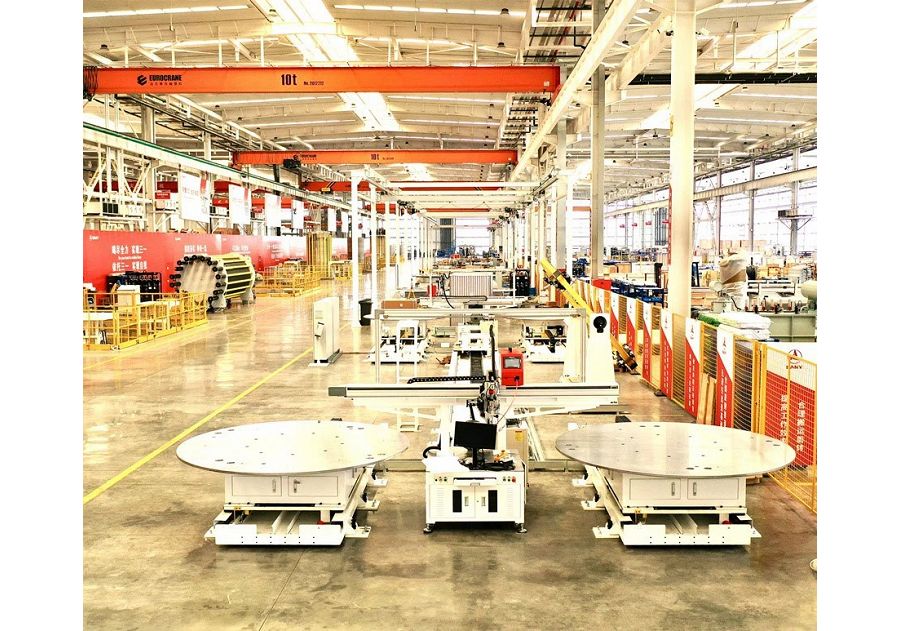
Our Factory
Focusing on the R&D, manufacturing and sales of hydrogen producing and refueling equipment and key components for a closed-loop full ecological industrial chain featured by green power, hydrogen energy and end-use equipment, SANY Hydrogen Energy Co., Ltd. is the world’s leading provider of package solutions for hydrogen energy equipment, which is committed to providing global customers with GW-level ultra-large-scale package solutions on-grid/off-grid hydrogen production from wind and solar energy.

FAQ